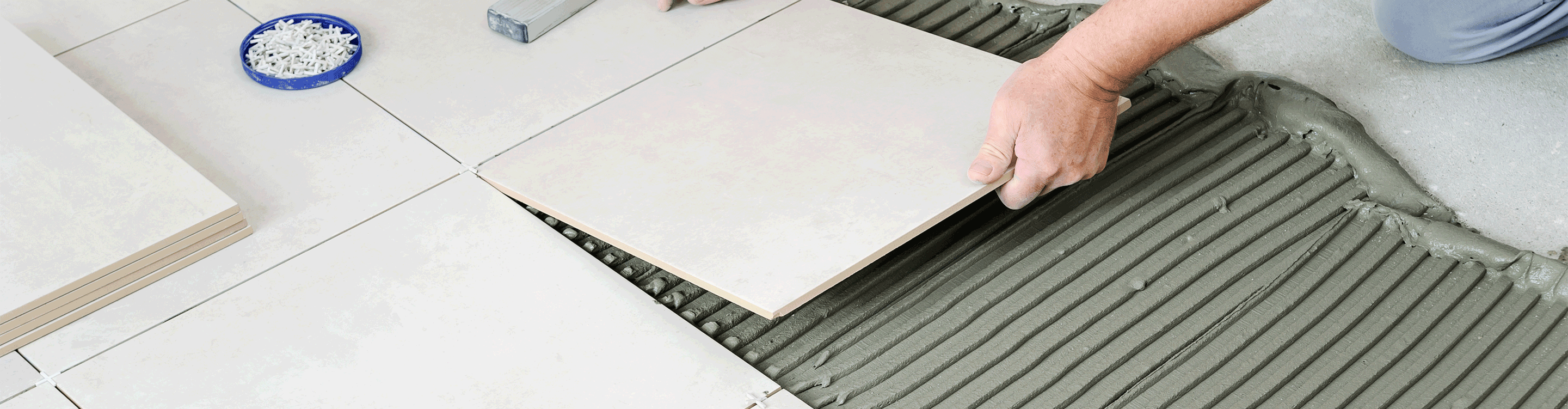
Choosing the right tile size affects everything from how a room feels to how much maintenance it needs. Here is what to know before you choose.
Selecting the appropriate tile sizes for your home is key to achieving the look and feel you have in mind. The most common standard sizes are 12x12 for floors, with 12x24 close behind as the current popular choice. For smaller spaces like bathroom floors or backsplashes, 4x4 and 6x6 tiles are common starting points.
It all starts with deciding which rooms in your home you want to tile. You should also consider whether you want to add floor tiles or add a splash of color or character to your walls. Different rooms in your home will be better suited to different tile sizes. Having a clear purpose for the room will also help you choose the right tile materials, ensuring spaces are functional when they need to be. If you are also deciding between tile materials and styles, our tile types guide covers porcelain, ceramic, and other options in detail, and our tile flooring guide covers the full category.
Tile comes in a range of standard sizes for both floors and walls. Here is a quick reference for the most common ones.
If you're looking to stray from standard floor tile sizes, larger tiles such as 24x24 or 24x48 are an excellent choice for creating a modern, open, and luxurious feel in your home. They work exceptionally well in expansive areas such as living rooms, kitchens, and open floor plans, where oversized tiles can make the space appear even larger by minimizing the number of grout lines and creating a sleek, continuous surface.
Larger tile sizes are also ideal for high-traffic areas, as fewer grout lines mean less maintenance and easier cleaning. And, if you're dealing with a smaller room, large rectangular tiles like 12x24 can create an illusion of more space and reduce visual clutter.
Large floor tile is particularly ideal for homeowners who want to create a contemporary look, as 24x24 and 24x48 sizes come in a variety of stylish finishes and patterns that can add a sophisticated touch to your design. As an added benefit, larger tile sizes allow for fewer cuts and adjustments, which can streamline the flooring installation process.
Next, let's look at small tiles such as 4x4, 6x6, and mosaic tiles in sizes like 1x1 or 2x2, along with 3x6 subway tile.
Small tiles are the perfect choice for adding intricate detail and texture to your home's design. They are ideal for spaces that require a high level of customization and precision, such as bathroom floors, shower walls, and kitchen backsplashes.
Smaller tiles, including mosaics, offer the flexibility to create elaborate patterns and unique designs that larger tiles cannot achieve, such as herringbone layouts using 3x6 subway tile. They also work well in areas with numerous fixtures and fittings, as they can be easily cut and fitted around obstacles, ensuring a more cohesive look. Additionally, smaller tiles provide better traction and slip resistance, making them a safe choice for wet areas. In historic or vintage-inspired homes, 4x4 and 6x6 tiles can help maintain an authentic feel, complementing traditional styles with their classic appeal.
12x24 has become one of the most popular tile sizes for both floors and walls, and for good reason. It offers a larger, more contemporary look than 12x12 with fewer grout lines, while still being manageable to install in most rooms without the cutting challenges that come with very large formats like 24x48.
12x24 works especially well in bathrooms, kitchens, and open-concept living spaces. On floors, it is often installed with a half-offset pattern, where each row of tile is shifted by half the tile's length relative to the row below. This creates a brick-like layout that helps disguise minor size variations between tiles and adds visual interest without looking busy.
Is 12x24 tile outdated? No. It remains one of the most widely used sizes in both new construction and renovations, and the half-offset pattern in particular continues to be a popular, current look. While design trends shift, 12x24 has proven durable as a size precisely because it works well in so many room types and layouts. Porcelain tile is one of the most common materials for 12x24 tile, given its durability and wide range of finishes.
For a sleek and modern look, larger wall tiles, such as 12x24 inches or larger, are excellent for creating a seamless, expansive appearance with fewer grout lines, making them ideal for open wall spaces in kitchens and bathrooms. These larger rectangular-shaped tiles can make a room feel bigger and less cluttered.
On the other hand, smaller square tile sizes, such as 4x4 inches, or classic 3x6 subway tile and elongated 4x12 formats, or mosaics, are perfect for adding intricate detail and texture to areas like backsplashes and bathroom walls. They allow for more design flexibility, enabling you to create unique patterns and artistic focal points.
Another benefit of using smaller square tiles is that they can be easier to fit around fixtures and edges, ensuring a neat and precise installation. When choosing wall tile sizes, consider the overall style of your space, the specific area being tiled, and the desired balance between aesthetics and practicality.
If you are not sure where to start, here is a quick guide to what works best by room.
For bathroom floors, 12x12 or 12x24 are both solid choices, offering durability with manageable grout lines. For shower floors, smaller formats like mosaics provide better slip resistance and accommodate the slope needed for drainage. On walls, 3x6 subway tile is a classic choice, while 4x12 offers a more modern, elongated look.
12x12 or 12x24 works well for kitchen floors, balancing durability with a clean look. For backsplashes, 3x6 subway tile remains a timeless choice, while 4x12 tile offers a more contemporary alternative.
For a contemporary feel, 24x24 or larger formats minimize grout lines and create an open, seamless look. For a more traditional aesthetic, 12x12 remains a dependable choice that works with a wide range of design styles.
Entryways see heavy foot traffic, so durable porcelain in 12x12 or 12x24 is a strong choice. The larger format also helps the space feel more open right from the front door.
As your local flooring store, we are passionate about helping you bring your projects and home renovation ideas to life. There's no need to worry about tile size when you have our team of experts to assist you. Whether you're searching for floor tiles or you want to add a focal point to one of your favorite rooms, we can assist. Schedule your free estimate today and take the next step towards a beautiful space you'll love walking into day after day.
The most common standard floor tile size is 12x12, which works well in nearly any room. 12x24 has become equally popular in recent years, offering a larger look with fewer grout lines. Smaller standard sizes like 4x4 and 6x6 are common in bathrooms and other compact spaces, while large-format sizes like 24x24 and 24x48 are used for a more contemporary, open feel. The right size depends on the room, the look you want, and how much maintenance you are willing to take on, since larger tiles mean fewer grout lines to clean.
No, 12x24 tile is not outdated. It remains one of the most popular tile sizes for both floors and walls, particularly when installed with a half-offset pattern. While design trends evolve, 12x24 continues to be widely used in both new construction and renovations because it works well across a wide range of room types, from bathrooms to open-concept living spaces.
12x24 tiles offer a larger, more modern look than 12x12 with fewer grout lines, which means less maintenance and a more seamless appearance. They work well in bathrooms, kitchens, and open living spaces, and the rectangular shape supports popular layouts like the half-offset pattern. The main tradeoffs are that 12x24 tiles can be more challenging to install in smaller or oddly shaped rooms, where more cutting may be required, and a flat, well-prepared subfloor is more important with larger tiles since unevenness is more visible.
The 1/3 rule is a guideline for offsetting rectangular tiles in a running bond pattern. Rather than offsetting each row by exactly half the tile's length (a 50% offset), the 1/3 rule offsets each row by one-third of the tile's length. This avoids the seams lining up in a way that can highlight slight variations in tile size or create a busy, overly repetitive look. The 1/3 rule is especially relevant for larger format tiles like 12x24, where a 50% offset can sometimes create a pattern that looks too uniform or draw attention to minor inconsistencies between tiles.